Nigerian Shippers’ Council Strengthens Stakeholder Engagement, Halts Port Tariff Hikes to Stabilise Trade and Protect Businesses
Abuja/Lagos, Nigeria — Early February 2026 — In a decisive move to support Nigeria’s maritime sector, the Nigerian Shippers’ Council (NSC) has directed all shipping companies, agents and terminal operators to suspend any planned increases in port tariffs and charges nationwide until stakeholders have been meaningfully consulted. This action is aimed at promoting fair pricing, transparency and smoother trade operations at Nigerian ports—key goals for improving the ease of doing business in the country.
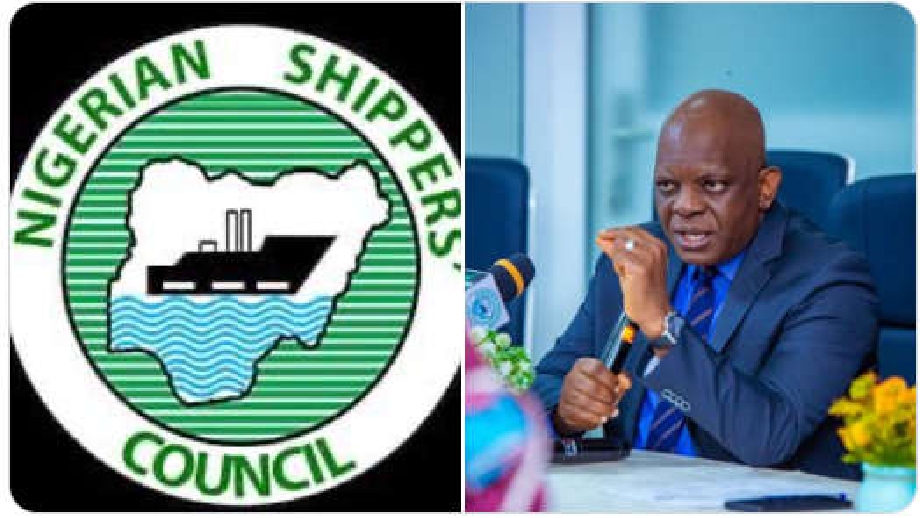
The directive, issued by the NSC under the leadership of Dr. Pius Akutah, comes amid growing concerns from freight forwarders, clearing agents and port users over sudden cost hikes. The Council emphasised that tariff changes must follow thorough stakeholder engagement, including technical and operational discussions, to ensure that changes reflect service realities and do not disrupt economic activity.
A Win for Collaborative Trade Policy and Business Confidence
This policy intervention has been welcomed by business leaders and industry groups as a positive step toward a more reliable and predictable port economy. The Council’s action ensures that economic regulators facilitate, not frustrate, trade flows while balancing the interests of service providers and cargo owners.
By prioritising dialogue before decisions, the NSC reinforces the importance of inclusive governance and transparency in maritime economic regulation—a cornerstone of Nigeria’s ambition to be a competitive regional trade hub.
New Governing Board Set to Drive Efficiency and Reform
Adding momentum to recent reforms, a new Governing Board for the Nigerian Shippers’ Council was inaugurated by the Federal Government to tighten oversight on port pricing, service delivery and operational efficiency. The Board, appointed to strengthen transparency and accountability, will play a key role in shaping policy direction and stakeholder engagement processes moving forward.
Senior leaders expressed that this governance reinforcement is expected to deepen institutional capacity, support regulatory clarity, and promote fair competition across Nigeria’s maritime sector—boosting investor confidence and trade predictability.
Leading Through Inclusive Engagement and Strong Leadership
The inauguration of the Board also drew congratulatory messages from national leaders. For example, Katsina State Governor Dikko Umaru Radda praised the appointment of the new Board Chairperson, Ibrahim Shehu Shema, describing it as a proud moment for leadership excellence that reflects Nigeria’s commitment to strong public institutions.
Why This Matters for Nigeria Forward
This coordinated effort by the NSC highlights several positive national themes:
- Inclusive policy implementation: Stakeholder engagement prevents abrupt cost changes that can hurt businesses.
- Trade facilitation: Stabilised port charges help safeguard importers, exporters and supply chains.
- Governance reform: A strengthened governing board supports transparency and efficiency in port regulation.
- Economic confidence: Predictable pricing regimes encourage investment and reduce friction for small businesses.
These developments show the NSC stepping into a leadership role that balances regulatory oversight with business-friendly practices, a critical factor as Nigeria drives toward more robust maritime trade, competitive export services, and economic growth.