NAERLS Concludes 2025 National Agricultural Extension Review, Charts Strategy to Tackle Climate Change, Digital Barriers, and Farmer Outreach
The National Agricultural Extension, Research and Liaison Services (NAERLS) successfully concluded its annual National Agricultural Extension Review and Planning Meeting (NAERPM) in Zaria, highlighting new policy directions to strengthen extension services, enhance climate-resilience, and broaden farmer access to agricultural innovations ahead of the 2026 farming season.
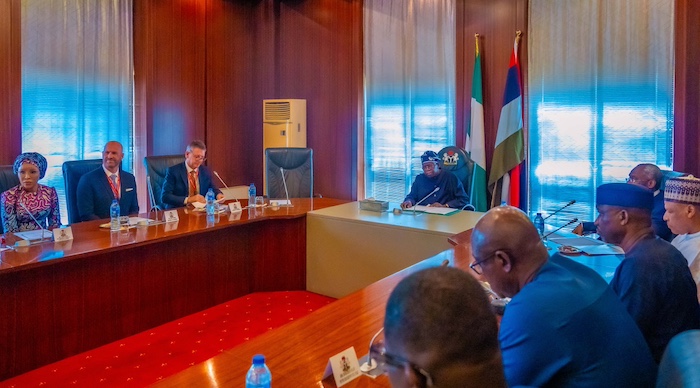
The four-day forum brought together 229 stakeholders, including representatives from National Agricultural Research Institutes (NARIs), Agricultural Development Programmes (ADPs), civil society, farmer groups, seed companies, and development partners such as AGRA and the Sasakawa Africa Association.
Extension Services Recalibrated Around Climate and Digital Realities
At the opening of the meeting, NAERLS Executive Director, Prof. Yusuf Ahmed Sani, emphasised the urgent need to realign Nigeria’s extension architecture to respond to climate-induced agricultural shocks, digital limitations, and systematic underfunding.
Key challenges identified include:
- Climate change impacts — with flood losses exceeding ₦700 billion annually, erratic rainfall and heat stress undermining farmer yields.
- Digital access gaps — unreliable internet connectivity and limited smartphone use remain roadblocks for e-extension and digital advisory services.
- Critical extension workforce shortages, with agent-to-farmer ratios well below international recommendations.
These constraints restrict the reach and effectiveness of agricultural advisory services, particularly among smallholder farmers — the backbone of Nigeria’s food system.
Harmonised 2026 Extension Calendar and Action Plan
During the review, 26 ADPs and 11 research institutes presented technical extension reports that informed a harmonised 2026 extension calendar, designed to boost impact through coordinated outreach and technology deployment.
Stakeholders also backed actionable recommendations to:
- Scale climate-smart technologies and climate-resilient cropping systems.
- Expand digital advisory platforms and farm radio engagement to complement field extension.
- Increase extension staffing and training with a focus on women, youth, and persons with disabilities.
- Advocate for increased budget allocation and timely fund release to accelerate innovation and responsiveness.
Policy Outlook: Extension at the Centre of Nigeria’s Food Security Agenda
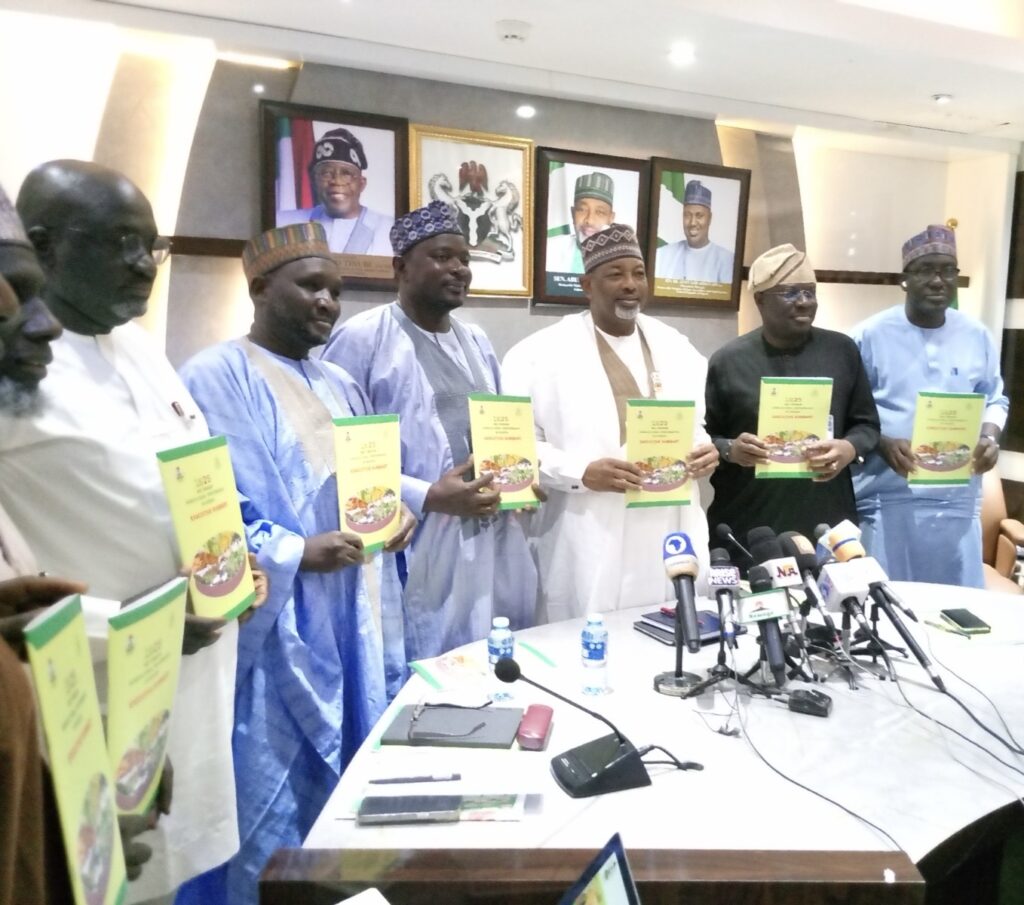
NAERLS’s leadership stressed that effective agricultural extension is crucial to enhancing Nigeria’s food security, reducing rural poverty, and unlocking economic potential across agro-ecological zones. The meeting’s outcomes align with federal efforts to develop data-driven agricultural policies, as evidenced in recent sector performance reporting.
Agricultural performance surveys released by NAERLS have shown steady growth in food crop output and lower market prices, affirming the resilience of farming communities despite systemic challenges.
Why This Matters for Nigeria Forward
Inclusivity: Prioritising women, youth, and vulnerable groups strengthens farming systems and expands economic participation.
Policy coherence: NAERLS’s harmonised planning ensures MDAs and partners act in unity, reducing duplication and improving service delivery.
Climate resilience: By emphasising climate-smart solutions, Nigeria’s agriculture becomes more adaptive and sustainable.