Three years into President Bola Tinubu’s administration, the tone from the presidency is becoming more reflective, defensive in parts, and increasingly focused on convincing Nigerians that painful reforms today will eventually lead to stability tomorrow.
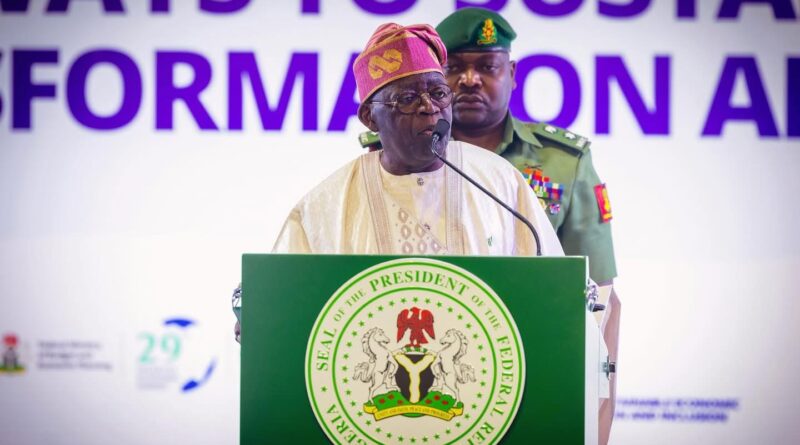
In his third anniversary address to the nation, Tinubu defended the economic policies introduced since taking office, insisting they were necessary to prevent deeper financial problems and rebuild confidence in the economy.
The speech touched on inflation, fuel subsidy removal, exchange rate reforms, infrastructure spending, security challenges, and social intervention programmes, all against the backdrop of growing public frustration over the cost of living.
Tinubu acknowledged that many Nigerians are facing hardship, rising food prices, and economic pressure, but argued that the country was already beginning to see signs of recovery.
“The economic reforms are working. The future is brighter and within reach,” the President said during the national broadcast.
His administration has spent the last three years pushing major policy changes, including the removal of petrol subsidy and the unification of exchange rates, decisions that dramatically reshaped prices across transportation, food, energy, and household spending.
Government officials have repeatedly defended those policies as unavoidable steps needed to stabilise public finances and attract long-term investment.
Still, for many Nigerians, daily realities remain difficult.
Markets across the country continue to reflect inflation pressure, with food prices and transportation costs remaining high despite repeated assurances from officials that conditions will improve gradually.
Tinubu, however, insisted the reforms were already producing results in some sectors, citing increased government revenue, renewed investor interest, and infrastructure expansion projects.
The President also pointed to efforts aimed at improving social welfare, including student loan programmes, support for small businesses, and cash transfer initiatives targeting vulnerable households.
Security was another major part of the speech.
Tinubu acknowledged ongoing threats from terrorism, kidnapping, and violent crime across different regions, while maintaining that security agencies are intensifying operations against armed groups.
“We are confronting insecurity head-on and strengthening the capacity of our armed forces,” he said.
The administration has faced sustained criticism over insecurity in parts of the north-west, north-east, and some central states where attacks and abductions continue despite military operations.
Even so, the presidency maintains that security conditions are improving gradually in several affected areas.
Beyond economics and security, Tinubu also used the speech to call for patience, unity, and national support, arguing that major reforms often take time before their impact becomes visible in everyday life.
Political observers say anniversary speeches usually serve two purposes for sitting governments: defending policy choices while attempting to rebuild public confidence where frustration has grown.
This year’s address carried both elements strongly.
The President’s message reflected an administration trying to convince citizens that short-term pain will eventually lead to long-term stability, even as many households continue struggling with immediate economic realities.
Public reaction to the speech is likely to remain divided.
Supporters of the administration point to fiscal reforms and infrastructure spending as signs of direction, while critics continue to question the speed at which ordinary Nigerians are expected to endure worsening living conditions before seeing meaningful relief.
For now, the government appears determined to stay the course on its reform agenda.
Whether public patience can hold at the same pace as the promises of recovery remains one of the biggest political questions surrounding the administration’s next phase.