For many Nigerians, hospital visits often happen only when symptoms become too obvious to ignore. Routine medical checks remain uncommon, especially in communities where cost, distance, and awareness continue to shape how people approach healthcare.
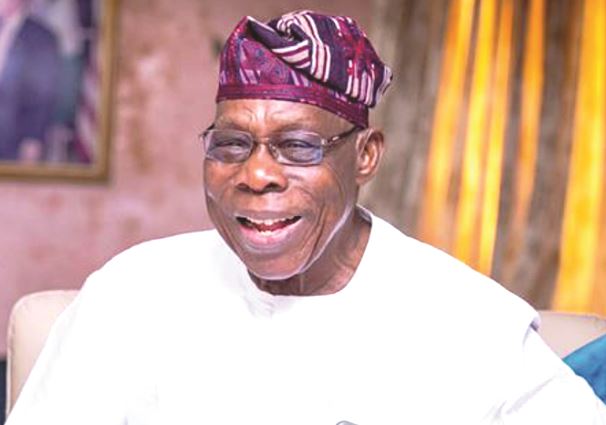
That gap is exactly what former President Olusegun Obasanjo is warning against.
Obasanjo has called on Nigerians to make regular health screening part of their lifestyle, saying early detection remains one of the strongest tools in managing serious illnesses such as cancer and diabetes.
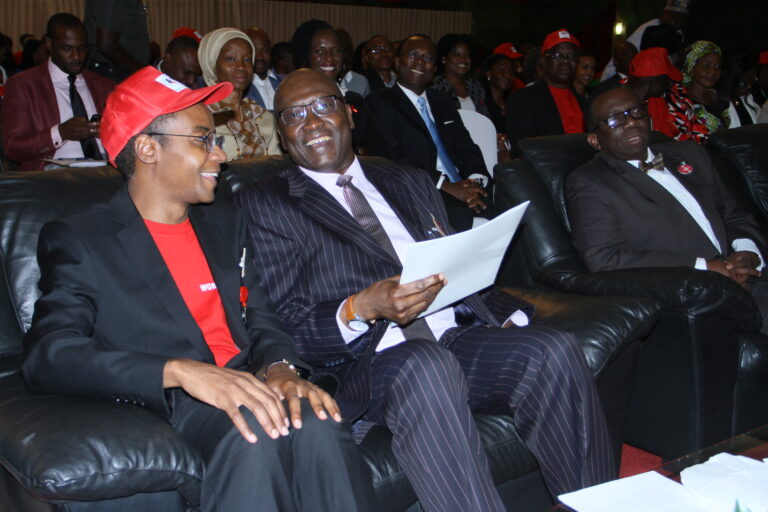
He made the appeal in Abeokuta, Ogun State, during the flag-off of the “Lagos to the World Expedition,” a health awareness campaign focused heavily on prostate cancer detection and general wellness education.
The initiative is being driven by entrepreneur Erik Nwagwu, who said the campaign is also dedicated to the memory of his late mother and sister, both of whom died from cancer.
Obasanjo used the platform to speak more personally about health management, sharing his own experience with long-term diabetes and how lifestyle adjustments have helped him manage the condition over decades.
“Most diseases that are not curable are manageable,” he said, stressing the importance of early testing and consistent medical attention.
The former president highlighted diet, rest, exercise, and routine medical checks as key habits that can significantly improve health outcomes, especially for older citizens.
He also described regular screening as something that should become normal practice rather than an occasional response to illness, noting that many Nigerians delay testing until conditions become severe.
In his remarks, Obasanjo pointed out that age should be a trigger for more frequent medical checks, not a reason to avoid them.
“Once you become a senior citizen, you must take medical tests seriously,” he said.
Medical experts often echo similar concerns, especially around cancer, where late detection continues to be one of the biggest reasons for high mortality rates in Nigeria and across much of Africa.
The awareness campaign tied to the event also focuses on prostate cancer, a condition organisers say remains one of the leading causes of cancer-related deaths among men in sub-Saharan Africa.
The “Lagos to the World Expedition” is structured as a multi-country awareness drive, combining travel, public engagement, and free screening services in selected locations.
Organisers say screenings will include not only cancer checks but also basic health indicators such as blood pressure, blood sugar levels, and body mass index assessments.
“Early detection changes everything. Many people don’t even know they are sick until it is too late,” one of the campaign organisers said.
Beyond the awareness message, the event also reflects a growing push across health-focused groups in Nigeria to shift conversations from treatment to prevention.
Cancer awareness campaigns have increased in recent years, often driven by non-governmental organisations, private sector partnerships, and individuals with personal experiences linked to the disease.
Still, access to routine screening remains uneven. Urban centres tend to have more facilities, while rural communities often rely on limited health outreach programmes or travelling medical missions.
Obasanjo’s message sits within that wider reality, where awareness is growing, but behaviour change is still slow.
Public reaction to such campaigns is often mixed, with some Nigerians embracing preventive health education while others continue to prioritise treatment only when illness becomes unavoidable.
For now, the former president’s message is simple and direct: health problems are easier to manage when they are discovered early, and ignoring routine checks can carry long-term consequences that are often harder to reverse.
As the awareness campaign continues across different locations, attention remains on whether more Nigerians will begin to adopt regular screening habits, or whether preventive healthcare will remain a conversation that is easier to promote than to practise.