Ethnic tension has remained one of Nigeria’s most sensitive fault lines, often resurfacing during moments of political pressure, insecurity, or public debate.
In many cases, conversations quickly shift from policy to identity, with entire groups judged through the actions of individuals.
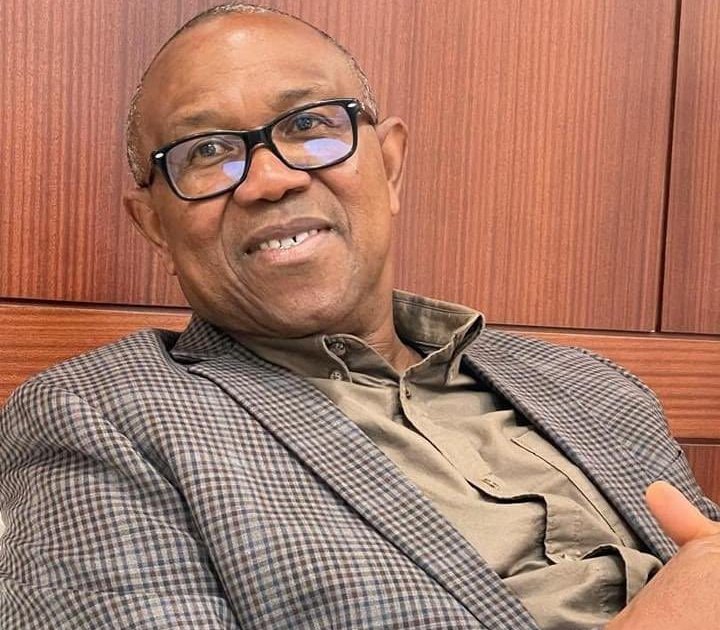
That concern was once again at the centre of remarks attributed to former Labour Party presidential candidate, Peter Obi, during a meeting with Fulani stakeholders.
Obi reportedly stressed the need for unity and cautioned against the growing tendency to stereotype the Fulani ethnic group in discussions around insecurity and crime in the country.
He said he understood the pain of discrimination, drawing from his own experience as an Igbo man who has also faced ethnic profiling in different parts of the country.
“I have suffered stereotypes as an Igbo man. I understand your pain,” he was quoted as saying.
The former Anambra State governor used the engagement to call for a more balanced national conversation, where criminal acts are treated as individual offences rather than ethnic definitions.
His comments come at a time when debates around insecurity have increasingly taken on ethnic undertones, with public discourse often linking specific communities to criminal activity.
Obi’s intervention, according to accounts of the meeting, was aimed at discouraging narratives that deepen mistrust between Nigeria’s major ethnic groups.
He reportedly urged stakeholders to focus on shared responsibility for peace rather than assigning collective blame.
The issue of ethnic profiling has been a recurring concern in Nigeria’s political and social space, particularly as insecurity continues to affect different regions of the country.
While incidents of violence have been recorded in various communities, analysts have often warned that generalisations risk widening existing divisions.
Obi’s remarks reflect a broader appeal for restraint in public commentary, especially from leaders whose words can shape perception among large groups of people.
The Fulani community, like many others in Nigeria, has frequently been drawn into national debates around herder–farmer conflicts, banditry, and rural insecurity, even as many within the group are also victims of violence.
Obi’s message appeared to acknowledge that complexity, while calling for a more careful and less emotionally charged framing of national security challenges.
He also emphasised the importance of treating citizens as individuals under the law, rather than through ethnic labels that can fuel resentment and misunderstanding.
The meeting adds to a series of public engagements where political leaders have sought to address rising tensions around identity, governance, and insecurity.
Nigeria’s diversity has often been described as both a strength and a source of friction, depending on how national issues are discussed and managed.
“It is unfair to judge an entire people by the actions of a few,” one participant at the meeting was quoted as saying in support of the message.
For now, the call for unity remains part of a wider national conversation that continues to evolve alongside security challenges and political competition.
Whether such appeals translate into lasting shifts in public perception is still uncertain, especially in an environment where emotions around insecurity remain high and trust between communities is fragile.