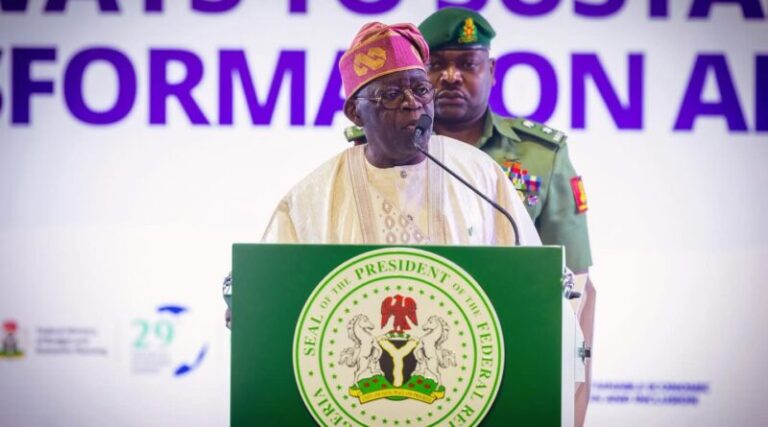
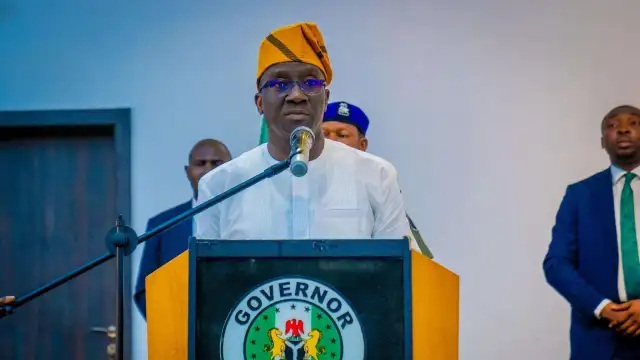
The Governor of Edo State, Monday Okpebholo, has called on religious leaders to intensify prayers for President Bola Ahmed Tinubu, saying Nigeria needs spiritual support alongside ongoing efforts to address insecurity and other national challenges.
He made the appeal while addressing clerics, where he urged them to consistently remember the President and the country in prayers, especially at a time when insecurity, economic pressure, and social tension continue to affect different parts of Nigeria.
According to him, leadership at the national level comes with heavy responsibility, and guidance, wisdom, and strength are needed to manage the complex issues facing the country today.
He stressed that prayers from religious leaders and citizens remain an important part of national stability, especially in moments where security concerns have become widespread across several regions.
“We must pray for our President, asking God to give him wisdom, strength and direction to lead Nigeria at this difficult time,” he was quoted as saying.
Okpebholo added that Nigeria’s current challenges require both government action and collective support from citizens, including religious institutions, traditional leaders, and community stakeholders.
He explained that insecurity, particularly cases of kidnapping, banditry, and violent attacks in some parts of the country, cannot be resolved by government alone without unity and cooperation from the public.
The governor also encouraged clerics to continue preaching peace and unity within their congregations, saying that messages of harmony are important in reducing tension and preventing division along ethnic or religious lines.
His remarks come at a time when security concerns remain a major issue of national debate, with continued reports of attacks on highways, rural communities, and schools in different parts of the country.
In recent months, security agencies have carried out several operations involving arrests, rescues, and raids on suspected criminal hideouts, but incidents of violence have continued to raise public concern.
Community leaders and political figures across Nigeria have also increasingly called for prayers, dialogue, and cooperation as part of broader efforts to complement military and police operations.
Okpebholo maintained that while government is working to strengthen security responses, the moral and spiritual support of religious leaders remains important in sustaining hope and unity among citizens.
He also noted that divisive narratives and lack of trust among communities can worsen insecurity, urging Nigerians to focus more on what unites them rather than what divides them.
Religious leaders present were encouraged to continue playing active roles in promoting peace, encouraging understanding, and supporting government efforts aimed at restoring stability.
For many observers, the governor’s message reflects a recurring pattern in Nigeria’s public discourse, where political leaders often call for prayers alongside policy actions in response to insecurity challenges.
As discussions around security continue nationwide, attention remains on how different stakeholders—government, security agencies, and religious leaders—can work together to achieve lasting peace.
The governor’s appeal adds another voice to the ongoing call for unity and collective responsibility in addressing Nigeria’s complex security situation, as the country continues to search for long-term solutions.