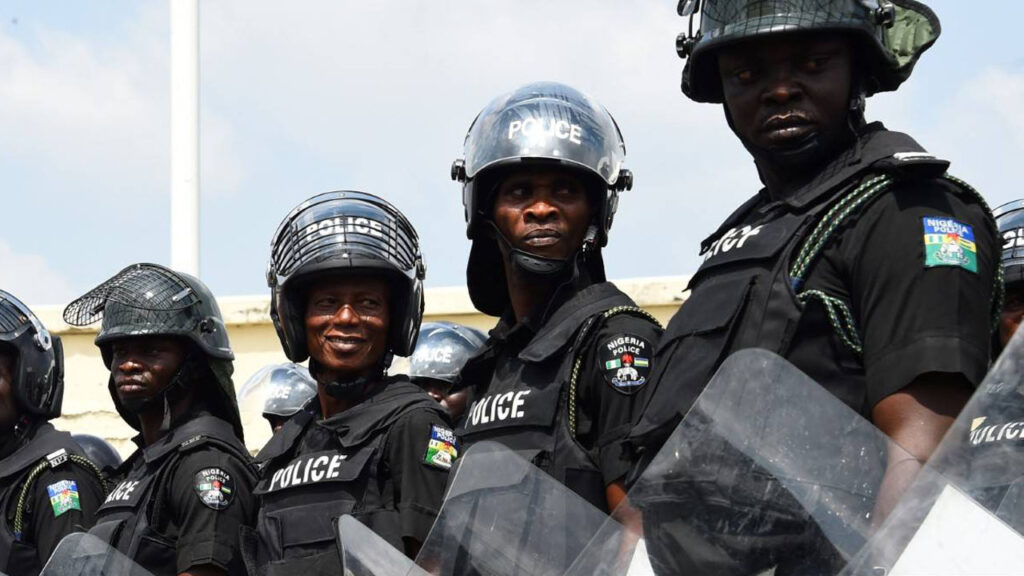
For years, encounters between Nigerians and police officers during roadside searches have followed an unwritten pattern. Phones stay hidden. Voices drop. Passengers watch quietly while drivers try to avoid escalating tension. Recording those moments has often carried its own risk.
Some people say officers demanded phones be deleted. Others describe situations where simply attempting to film an interaction immediately changed the atmosphere of the stop. Legal clarity around it remained uncertain for a long time, especially during confrontational searches carried out in public spaces.
Now, a Federal High Court in Lagos has ruled that Nigerians have the right to record police officers during stop and search operations, a judgment already drawing attention from civil rights groups and legal observers across the country. TheCable reported that the ruling was delivered by Justice Musa Kakaki in a suit filed by rights advocate and journalist, Daniel Ojukwu.
The court held that citizens are legally entitled to document police activities carried out in public spaces, provided such recordings do not obstruct officers from performing their duties.
“Citizens have the right to record police officers in the course of their duties,” the court ruled, according to details from the judgment.
The case itself emerged from wider concerns surrounding police accountability and public interactions during searches and checkpoints. Over the years, videos recorded by citizens have repeatedly played major roles in exposing alleged misconduct, extortion, and abuse by security personnel.
Some of those recordings later became central evidence in public investigations and disciplinary reviews. Public reaction to the ruling moved quickly online shortly after reports surfaced. Civil rights groups described the judgment as an important clarification at a time when distrust between citizens and law enforcement remains deeply rooted in many communities. Legal analysts also pointed to the broader implications of the ruling beyond ordinary checkpoints.
Phone cameras have increasingly become part of how Nigerians document public authority in real time, especially since the #EndSARS protests brought renewed attention to police conduct and accountability. Videos captured by witnesses during that period circulated widely and shaped both local and international conversations around policing in the country. This latest judgment appears to strengthen that space legally.
Still, questions remain around how consistently such a ruling will be respected during actual field encounters. Street-level interactions between officers and civilians rarely unfold like courtroom interpretations. Tension, fear, and power imbalance often shape decisions within seconds, especially during nighttime stops or operations involving armed personnel.
Several Nigerians reacting online said the ruling may only matter if officers themselves become fully aware of it and supervisory enforcement follows. “The judgment is important, but implementation is another issue entirely,” one Lagos-based legal observer said after the ruling gained attention.
Police authorities had not issued a major public response immediately after reports of the judgment emerged. Details also remain unclear regarding whether the decision may face appeal or broader institutional review.
What the ruling has already done, however, is reopen national conversation around public oversight, digital evidence, and how policing operates in an era where almost every citizen carries a camera phone.
In practical terms, the judgment places legal recognition around something already happening daily across Nigeria’s roads and checkpoints. Citizens record encounters. Officers sometimes resist it. Arguments follow.
Now there is clearer judicial backing behind the act itself. Whether that changes behaviour on the ground immediately is far less certain. Roadside searches across Nigeria are still shaped heavily by human discretion, tension, and unpredictability. One ruling may not erase that reality overnight.
Still, the next time a phone camera quietly comes up during a stop and search operation, the legal ground beneath that moment may no longer feel quite as uncertain as before.