Malaria remains one of the most stubborn health challenges facing Nigeria. Despite years of awareness campaigns, medical interventions, and billions of naira spent on prevention and treatment, the disease continues to place enormous pressure on families, hospitals, and public health systems across the country.
In Osun State, authorities are hoping a new large-scale intervention can help change that reality. The state government has begun the distribution of 2.8 million insecticide-treated mosquito nets as part of a renewed effort to reduce malaria infections and protect vulnerable residents, particularly pregnant women and children.
The campaign is being carried out in partnership with the National Malaria Elimination Programme, the Federal Ministry of Health, and international health partners.
Officials say the exercise is designed to ensure that households across all local government areas have access to protective mosquito nets, which remain one of the most effective tools for preventing malaria transmission.
“No resident should be left behind in this campaign against malaria,” health officials said during the launch of the programme.
The scale of the distribution reflects the seriousness of the challenge.
Nigeria accounts for one of the highest malaria burdens in the world, with millions of cases recorded annually. The disease remains a leading cause of illness, hospital visits, and preventable deaths, especially among young children.
Health experts have repeatedly warned that malaria continues to affect productivity, education, and household income, particularly in rural communities where access to healthcare is limited.
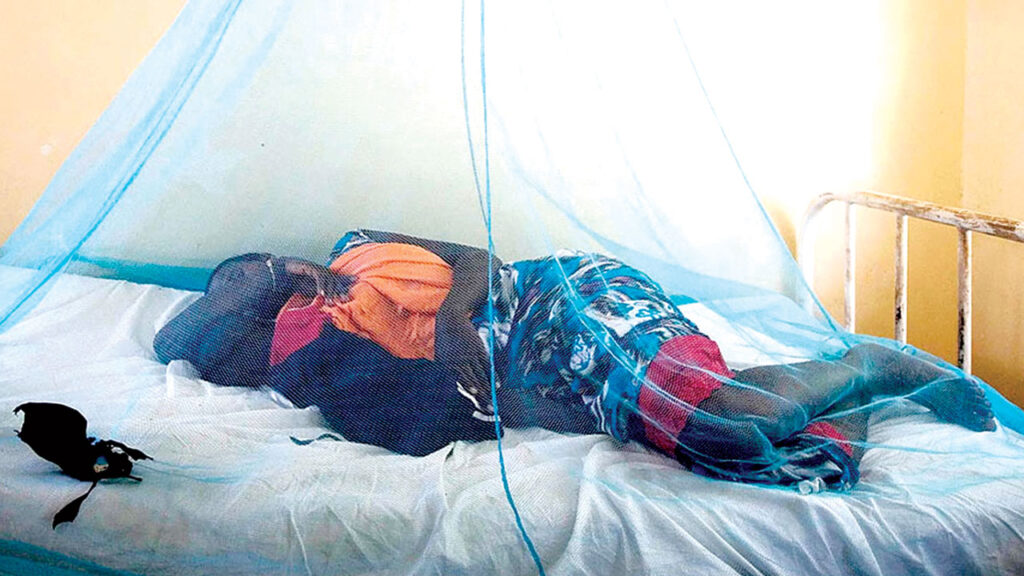
Osun’s latest campaign aims to improve household protection by placing treated mosquito nets directly into homes rather than relying solely on hospital-based distribution channels.
Officials involved in the programme said extensive community mobilisation efforts have already been carried out to encourage residents to collect and properly use the nets.
The emphasis is not only on distribution but also on usage.
Previous campaigns across different states have shown that receiving a mosquito net does not always guarantee it will be used consistently. Public health workers often cite poor awareness, discomfort during hot weather, and improper installation as reasons some families abandon the nets after collection.
This time, community volunteers and health educators are expected to provide demonstrations and sensitisation sessions to improve adoption rates.
“The net can only protect a family when it is used correctly and consistently,” one health worker involved in the campaign explained.
The intervention comes as governments across Africa continue efforts to reduce malaria-related deaths through preventive measures, early diagnosis, and access to treatment.
In many communities, prevention remains the most affordable option.
Treating severe malaria can place significant financial strain on households, especially where multiple family members become infected during peak transmission periods.
Public health officials say the 2.8 million-net target is intended to provide coverage for a large portion of Osun’s population and strengthen community-wide protection against mosquito bites.
The state government has also called on traditional rulers, religious leaders, and community groups to support awareness efforts and encourage proper use of the nets.
For many residents, the campaign arrives at a time when healthcare costs continue to rise, making preventive measures even more important.
The success of the programme, however, will depend on more than the number of nets distributed.
Health experts often measure impact by actual usage rates and reductions in infection numbers over time rather than distribution figures alone.
For now, trucks carrying mosquito nets are moving into communities across Osun, while health officials work to ensure households receive their share.
The larger goal is straightforward: fewer malaria cases, fewer hospital visits, and fewer families losing loved ones to a disease that remains one of Nigeria’s most persistent public health battles.
Whether the campaign delivers that outcome will become clearer in the months ahead, as health workers track how many of those 2.8 million nets end up over beds rather than stored away in corners of homes.