
Fear around cult violence has continued to linger across parts of Anambra in recent months, especially in communities where residents say rival groups often operate quietly until sudden attacks force attention back onto the streets again.
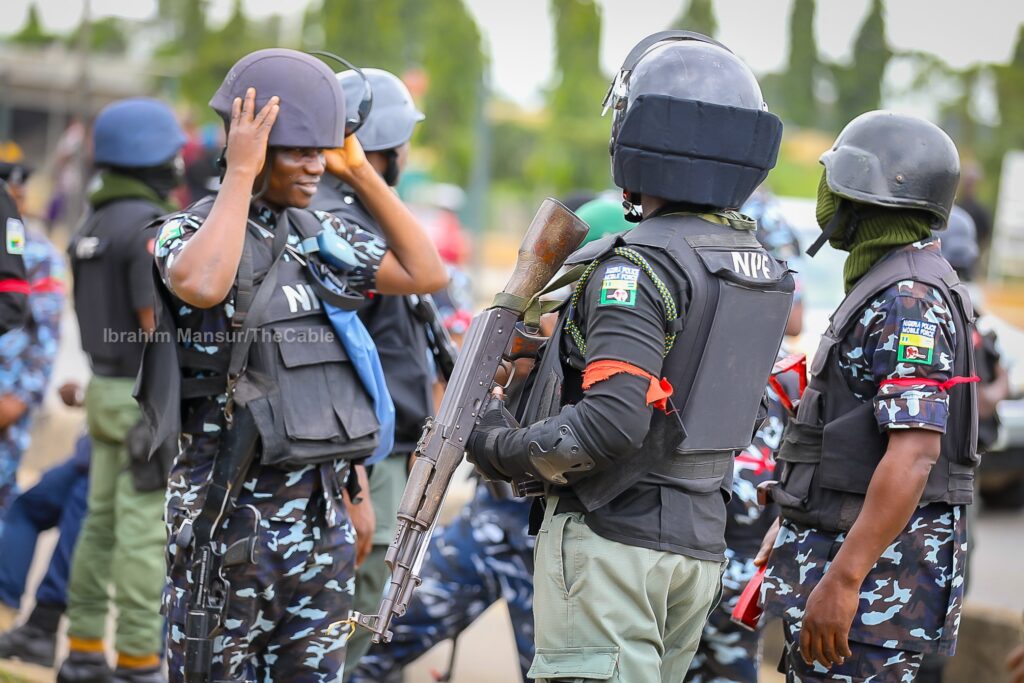
This week, police operatives moved through some of those areas in coordinated raids that ended with several arrests and fresh recovery of weapons.
The Anambra State Police Command says it has arrested 17 suspected cultists during operations carried out across different locations in the state as authorities intensify efforts to contain rising cult-related violence. Punch reported that the suspects were picked up during targeted raids linked to ongoing security surveillance and intelligence gathering.
Police authorities disclosed that the operations were conducted by tactical teams working on information tied to suspected cult activities and criminal hideouts within affected areas.
Some of the suspects were reportedly arrested in possession of weapons and other items believed to be connected to cult operations, although details surrounding individual identities remain limited for now.
“The command remains committed to sustaining the fight against cultism and violent crimes across the state,” police spokesperson Tochukwu Ikenga said.
Cult clashes have remained one of the more difficult security issues in parts of southeastern Nigeria, particularly among young men recruited into rival groups operating around urban settlements, campuses, and transport corridors.
In Anambra, security operations against such groups have intensified repeatedly over the last year following concerns over killings, street attacks, and targeted violence linked to cult rivalries.
Residents in some communities say the tension usually builds quietly before erupting suddenly.
Night movement becomes restricted. Shop owners close earlier. Motorcycle operators avoid certain roads after dark. Few people openly discuss the groups involved, even when attacks happen close to residential areas.
Police say the latest arrests form part of broader operations aimed at dismantling criminal networks tied to cult violence and related crimes.
Authorities also indicated that investigations are continuing, with efforts underway to identify additional suspects and trace possible links to previous incidents reported in the state.
Shortly after news of the arrests emerged, reactions online reflected a familiar mixture of relief and skepticism. Some residents welcomed the operation as necessary, while others questioned whether arrests alone would significantly reduce recurring violence tied to cult activities. Those concerns are not entirely new.
Security analysts have repeatedly argued that cultism in many parts of Nigeria has evolved beyond isolated campus groups into more organised street networks connected to extortion, political thuggery, and armed violence.
Police operations therefore tend to produce temporary calm before tensions quietly rebuild again elsewhere. “People are tired of the fear,” one resident in Awka reportedly said while reacting to the arrests.
The command insists surveillance and tactical patrols will continue across identified hotspots as part of efforts to prevent retaliatory attacks or regrouping by suspected members still at large.
Details regarding prosecution timelines remain unclear for now.
What remains visible, however, is the growing pressure on security agencies to contain violence that increasingly affects ordinary movement and business activity across several communities.
In many areas, residents are less concerned about the names of cult groups than the uncertainty their presence creates. A single confrontation can shut down entire streets within minutes.
For now, police believe the latest raids have disrupted part of that network.
Whether the arrests bring lasting calm or only another temporary pause is something communities across Anambra are still watching carefully.