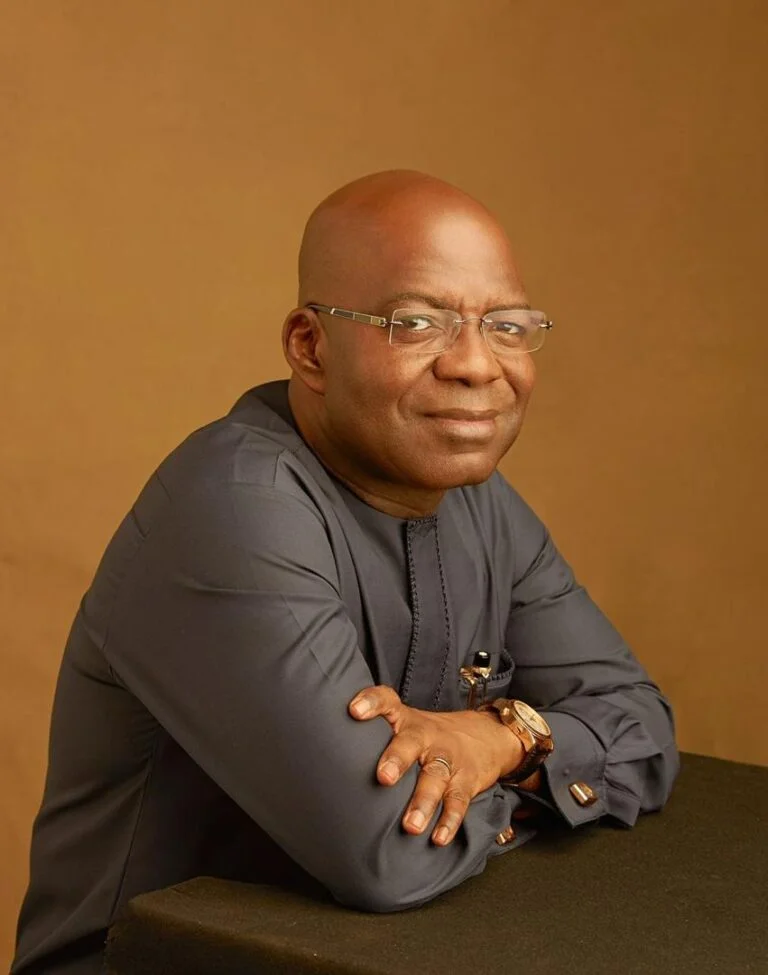
Alex Otti has governed Abia State since May 2023, and his administration’s pitch is simple: fix roads and power, bring factories back to Aba, and spend heavily on schools and health. This post covers the programs and projects from his time in office that have supported businesses, workers and families, and says where each claim comes from. Many figures come from the governor’s own speeches and the state government’s press office, so they are the government’s account rather than independent audits.
Roads and infrastructure
Otti says his administration has completed 414 road projects covering 864 km in three years, with 82 more covering over 200 km nearing completion. He has said the roads are meant to create access and grow the economy of the people. Examples include:
- Arochukwu corridor. In February 2026 he commissioned the Omenuko bridge and a reconstructed 30-km road along a corridor described as long abandoned.
- Abiriba–Ohafia highway. A 22.5-km reconstructed section was commissioned in May 2026, along with other roads in Isuikwuato.
- Aba and erosion control. The Ovom Road in Aba was reclaimed and rebuilt against erosion, and 13 Aba roads were commissioned in May 2026 to ease congestion.
- Public transport. The Abia Green Shuttle Initiative, launched on December 25, had carried over 226,000 passengers by April 2026, according to the governor.
Industry and enterprise
Power and factory revival sit at the centre of his economic plan for Aba, the state’s commercial hub.
- Power. Vice-President Shettima inaugurated the 188-MW Geometric power plant in Aba in February 2024, supplying a ring-fenced area covering nine of Abia’s 17 local government areas. Otti signed the Abia State Electricity Bill into law in 2025 and is working to take over electricity distribution in the remaining areas. In December 2025 the government restored power to 33 Ukwa West communities after nine years.
- Factory revival. The state finalised the acquisition of Afro Beverages from AMCON and has plans to revive Star Paper Mill, textile mills and Ogwe Golden Chicken.
- Private investment. In March 2026 Otti commissioned a $35 million beverage plant by Ultimum Limited (Kadji Group) in Aba, part of a planned $100 million investment.
- Small businesses. The government approved an SME Village and Innovation Hub in Aba and says land has been acquired.
- Investment strategy. Otti named seven priority sectors, from agribusiness and manufacturing to the creative economy and diaspora investment. A Nigerian-British Chamber of Commerce leader said heritage alone would not attract investors.
- Farming skills. The state sent 300 youths for agribusiness training in Nasarawa and flagged off interest-free loans to 298 of them.
Investing in people
The administration says it puts about 20% of the budget into education and 15% into health. Programs include:
- Wages and pensions. Otti says Abia was among the first states to implement the ₦70,000 minimum wage and that it spent ₦40 billion clearing salary and pension arrears. Labour leaders thanked him for implementing the wage and rolling out a contributory pension scheme.
- Teachers and schools. The government recruited 5,394 teachers and then 4,074 more, raised the teacher retirement age from 60 to 65, and in 2024 planned to train 12,000 teachers and reclaim 180 public schools.
- Primary health care. The World Bank has retrofitted or rebuilt primary health centres, bringing the total to 277, and Otti says about 270,000 residents are now enrolled in the state health insurance scheme, up from about 40,000.
- Digital skills. The TechRise Cohort 3 program trains 850 youths in digital skills over 90 days.
A balanced note
Most figures above come from the governor or the state government, and several are disputed by opponents. Points of contention include:
- Debt claims. Otti says debt is down more than 70% as of March 2026 and that he has added no new borrowing. The Abia PDP demanded proof of his ₦90 billion debt-payment claim, and the Deputy Speaker’s office, citing a $263.8 million AfDB-led loan approved for Abia, called for transparency.
- Inherited finances. A former commissioner countered that the previous administration left ₦4 billion in cash, disputing Otti’s account.
- Workers. Unions urged him to extend the minimum wage to some health worker categories and pay arrears, and teachers raised a pay gap between primary and junior secondary teachers.
- Unfinished work. The 82 roads and many health centres are described as nearing completion, not finished.
Conclusion
Otti’s approach links infrastructure to enterprise: roads and reliable power first, then factories, small-business support and worker welfare. The clearest evidence is in physical outputs such as the Aba power plant and commissioned roads, and in outside investment like the $35 million Aba plant. The debt and welfare claims are more contested, so readers should check the numbers against independent records as they emerge.