FAAN Drives Aviation Growth through Airport Modernization, Sustainability and Stakeholder Reforms
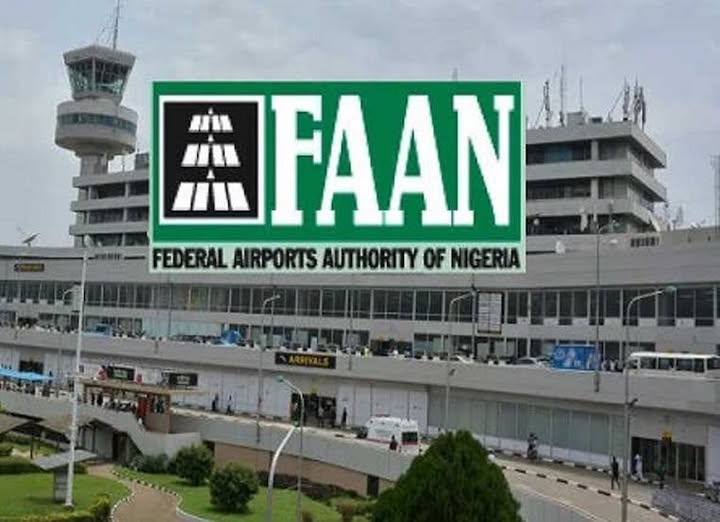
Lagos & Abuja, Nigeria — The Federal Airports Authority of Nigeria (FAAN) is advancing major aviation infrastructure improvements, sustainability initiatives, and regulatory reforms across Nigeria’s airport system — reinforcing service quality, boosting economic activity, and strengthening operational efficiency in the nation’s aviation sector.
Terminal 1 Closure & Rehabilitation to Modernise Lagos Airport
FAAN has confirmed the planned closure of Terminal 1 at Murtala Muhammed International Airport (MMIA), Lagos, starting March 2026 to begin a comprehensive 22-month rehabilitation and expansion project intended to modernise the ageing facility and elevate passenger experience. During this period, FAAN will maintain international arrivals and cargo operations through other active airport sections to ensure continuity of services.
To support uninterrupted travel while upgrades are underway, FAAN is fast-tracking the temporary terminal facility (about 8,000 m²), now over 90 % complete, which will handle international passengers seamlessly during the shutdown.
Sustainable Transport: Electric Vehicles at Major Airports
FAAN, in partnership with Zuid Energies Limited, announced plans to deploy electric vehicle (EV) taxis and shuttles at the Nnamdi Azikiwe International Airport, Abuja, and MMIA, Lagos, as part of a broader shift toward clean mobility solutions at major Nigerian airports. This initiative supports eco-friendly airport transportation, reduced emissions, and a more sustainable passenger experience.
Cargo Reform & Industry Engagement
FAAN’s recent directives have stirred rent and tariff revisions at MMIA’s freight operations, including notices to major freight forwarding associations to vacate certain cargo spaces and updated cargo tariffs at FAAN-managed airports. These reforms, though challenged by cargo agents, reflect the Authority’s push to streamline airport logistics and align charges with global aviation operating costs.
FAAN has defended its new tariffs as compliant with international guidelines and necessary to refresh outdated charges that have weighed down aviation revenue and service delivery.
Why These Developments Matter for Nigeria
• Modernised Infrastructure: The rehabilitation of Terminal 1 at MMIA is a major upgrade for Nigeria’s busiest international gateway — improving passenger comfort, safety, and airport competitiveness.
• Sustainability & Innovation: EV taxi deployment signals FAAN’s commitment to cleaner airport operations, cutting carbon emissions, and promoting sustainable transportation solutions.
• Market-Driven Reform: Cargo tariff updates and operational adjustments aim to strengthen revenue systems, streamline logistics, and support efficient airport commerce, although stakeholder dialogues remain essential for inclusive implementation.
FAAN’s ongoing work ties into broader aviation and economic growth objectives, positioning Nigeria’s airports as gateways that can deliver world-class travel experiences, environmental responsibility, and robust commercial ecosystems that support both local and international users.