NIMASA Strengthens Maritime Sector: Enforcement, Financing and Strategic Growth Drive
Abuja/Lagos, Nigeria — February 5, 2026 — The Nigerian Maritime Administration and Safety Agency (NIMASA) has been at the forefront of significant maritime policy actions and initiatives over the past month—measures aimed at strengthening regulatory compliance, unlocking local shipowner financing, and deepening Nigeria’s role in the blue economy.
These developments reflect a heightened focus on governance, trade facilitation, investment confidence and enforcement within Nigeria’s maritime domain.
Zero Tolerance on Non-Compliance: NIMASA Issues 30-Day Deadlines
NIMASA has rolled out “Operation Zero Tolerance for Non-Compliance”, directing vessels, shipping companies and offshore operators in Nigerian waters to comply fully with maritime laws and certification requirements within 30 days. Failure to meet the deadlines could result in vessel detention, fines and denial of port clearance—a strong stance that underscores the agency’s commitment to safe, secure and compliant maritime operations.
This enforcement push includes a requirement for self-audits and documentation regularisation from operators and owners to ensure transparent, lawful participation in Nigeria’s shipping ecosystem.
Why It Matters: Strong regulation protects Nigerian waters, boosts investor confidence, and reduces operational risk for legitimate maritime businesses.
Cabotage Funding Portal Goes Live to Support Indigenous Shipowners
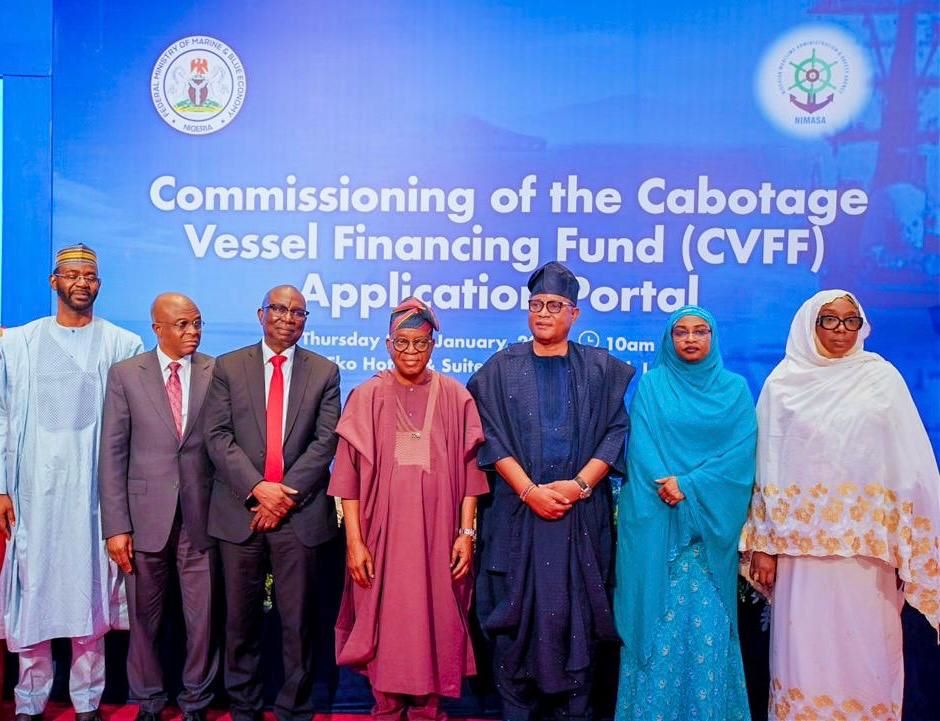
In alignment with efforts to grow local content and ownership in Nigeria’s maritime industry, the Cabotage Vessel Financing Fund (CVFF) portal has been launched. This digital access point allows indigenous shipowners to apply for funding aimed at expanding local capacity, modernising fleets and increasing participation in coastal shipping under the Coastal and Inland Shipping (Cabotage) Act.
Why It Matters: Access to financing under the cabotage framework helps reduce dependency on foreign vessels, strengthens the Nigerian shipping industry and creates jobs in shipbuilding, operations and logistics.
Strategic Blue Economy Roadmap Continues to Take Shape
Building on gains from 2025, NIMASA is advancing its strategic plans to deepen the blue economy—a sector poised to become a major driver of economic diversification, foreign exchange earnings and maritime services growth in Nigeria and West Africa.
The agency’s leadership emphasises regulatory improvements, security enhancements and global engagement as key enablers of maritime competitiveness—and as essential foundations for expanding exports, attracting investment and optimising Nigeria’s maritime infrastructure.
Why It Matters: A stronger blue economy contributes directly to national GDP growth, employment, and regional trade leadership.
Nigeria Forward: Maritime Governance in Action
These NIMASA developments are significant for Nigeria’s economic and policy landscape:
- Regulatory certainty: Clear enforcement timelines and compliance frameworks help streamline shipping operations and protect business integrity.
- Local empowerment: Financing mechanisms for Nigerian shipowners expand indigenous participation in export and coastal trading.
- Investment appeal: Strategic blue economy planning signals Nigeria’s readiness to compete for global maritime commerce.
- Policy alignment: Initiatives support federal policies on economic diversification, infrastructure growth, and trade facilitation.
By aligning maritime policies with sustainable economics and governance, NIMASA is playing a pivotal role in strengthening the sector’s contribution to national progress.