
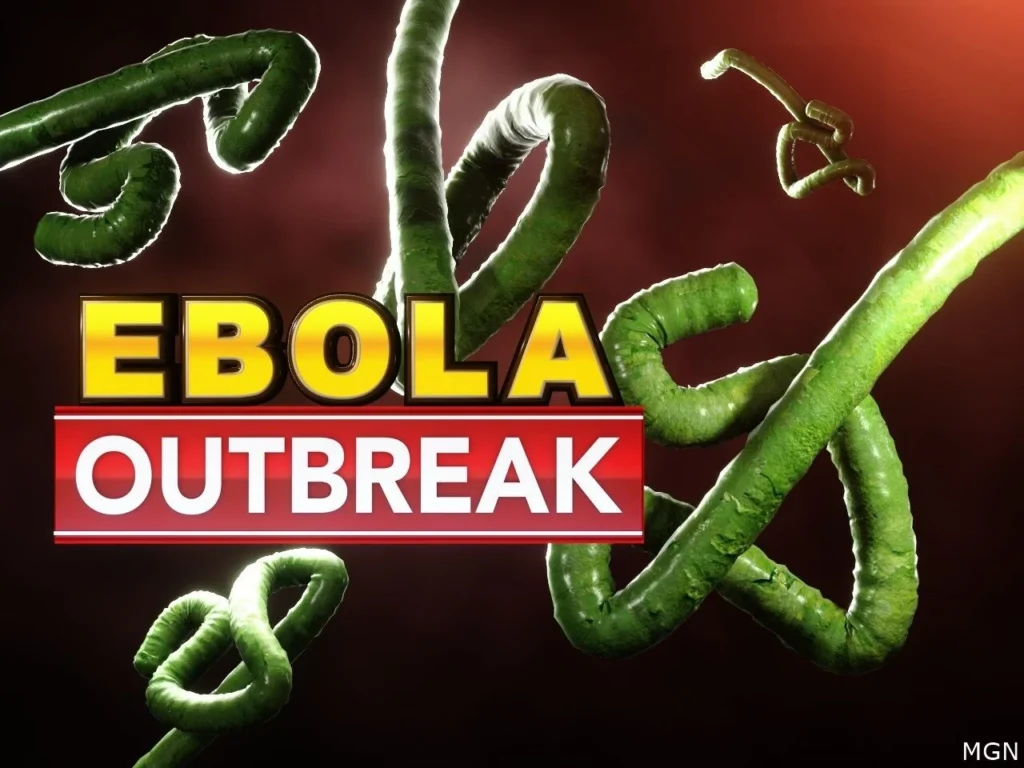
Health authorities in Nigeria are once again on heightened alert following renewed concerns over Ebola outbreaks in parts of Central and East Africa, a development that has pushed surveillance systems back into active monitoring mode across the country.
The Nigeria Centre for Disease Control and Prevention (NCDC) has warned that the country remains at risk of Ebola importation, even though no confirmed cases have been recorded locally in the current wave of infections. The advisory follows recent regional assessments pointing to ongoing transmission in the Democratic Republic of Congo and Uganda.
The agency said Nigeria’s vulnerability is linked to international travel patterns, population movement, and the difficulty of early detection, especially where initial symptoms can resemble more common illnesses such as malaria and Lassa fever.
A dynamic risk assessment conducted by the health authorities reportedly placed Nigeria in a high-risk category for potential importation, prompting the activation of emergency preparedness systems and surveillance structures nationwide.
“The country faces a high risk of importation due to ongoing transmission in the region and cross-border movement,” a public health advisory noted.
The warning has triggered renewed attention at airports, land borders, and major transport hubs, where health officials have been instructed to strengthen screening and reporting systems. Emergency operations centres across several states have also been placed on standby as part of preparedness measures.
In Abuja, officials have continued to stress that the alert is preventive rather than a signal of an outbreak within Nigeria. Health authorities say the goal is early containment should any suspected case enter the country.
Nigeria’s current posture reflects lessons from the 2014 Ebola outbreak, when a single imported case led to multiple infections before rapid intervention contained the spread. That episode remains a reference point for health planners who continue to build response capacity around border surveillance and rapid detection.
The NCDC has also been coordinating with international partners as part of broader regional monitoring efforts, especially as outbreaks in neighbouring countries continue to evolve unpredictably.
Public health experts say the challenge remains the same. Ebola does not spread easily in controlled environments, but delayed detection and cross-border movement can quickly complicate response efforts if a case is missed at entry points.
The agency has urged Nigerians to remain calm while maintaining basic hygiene practices and reporting unusual symptoms early. It also cautioned against misinformation, noting that unverified reports can create unnecessary panic during preparedness phases.
“Preparedness is ongoing, not a one-time action,” a health official involved in the response effort said.
Across several states, especially those bordering neighbouring countries or hosting major airports, surveillance teams have reportedly intensified monitoring activities as part of early warning systems already in place for viral haemorrhagic diseases.
Still, health officials acknowledge that the risk environment remains fluid, shaped by regional transmission patterns and constant movement across borders in West and Central Africa.
For now, Nigeria remains free of confirmed cases linked to the current outbreak, but the alert status signals a return to a familiar state of vigilance.
And as health systems stay on watch, the question remains how quickly a potential importation event could be detected if regional conditions shift again without warning.