Military operations in Niger State have once again turned up a mix of arrests and recovered items, as troops intensify pressure on suspected support networks linked to terrorist groups operating in the region.
Across the North-Central, security forces have increasingly focused not only on armed fighters but also on the people believed to be feeding them with information, logistics, and communication support.
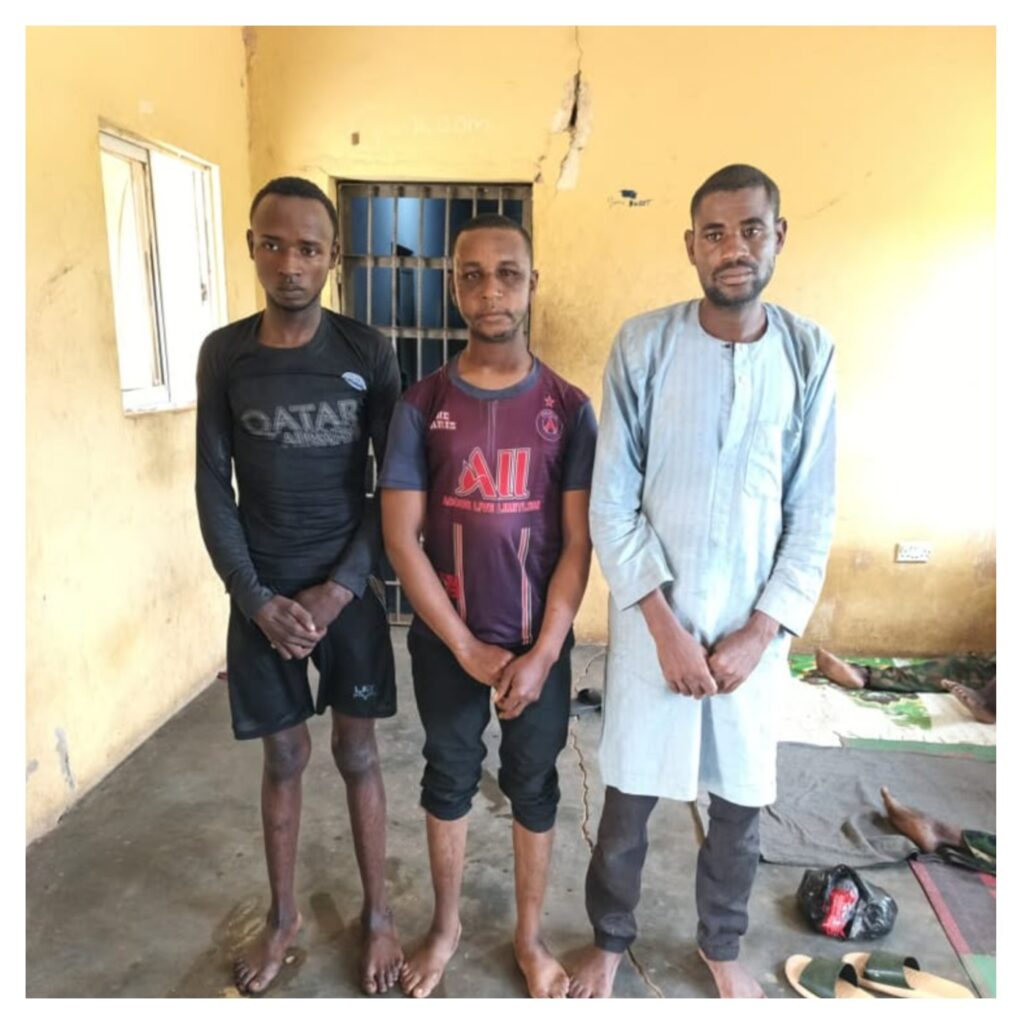
In the latest operation, troops of Operation Savannah Shield arrested five suspected terrorist informants during separate intelligence-led raids in parts of Niger State.
The suspects were picked up during routine patrols and targeted operations around the Kainji Lake National Park axis, an area security agencies have repeatedly flagged as a hideout and movement corridor for armed groups.
Items recovered from the suspects include mobile phones, communication devices, and cash believed to be linked to criminal activities.
A military spokesperson said preliminary investigations suggested that the suspects had links to networks operating around forested areas and border communities.
“The suspects were arrested based on credible intelligence and are currently assisting with ongoing investigations,” a security source said.
The arrests were carried out in two phases. The first involved three suspects intercepted during patrol operations, while two others were picked up during a separate sweep around a military perimeter area.
Troops also recovered devices believed to contain recorded messages and communications that may be useful in tracking wider criminal connections.
In recent months, the Nigerian military has expanded operations targeting not only armed groups but also informants and logistics supporters who help sustain kidnapping and terror networks across rural communities.
The approach reflects a shift in strategy, where intelligence gathering and disruption of support systems have become as important as direct confrontation on the battlefield.
Security officials say informants often play a critical role in guiding armed groups, helping them identify troop movements, vulnerable routes, and potential targets.
“Disrupting their information network is key to reducing their operational strength,” a military official explained.
The Niger State axis has remained one of the focal points of ongoing counterterrorism operations, particularly due to its forested terrain and proximity to other states where similar incidents have been reported.
Communities around Borgu and surrounding areas have in the past reported incidents involving kidnapping, cattle rustling, and ambushes along rural routes.
Troops say continued patrols and intelligence-driven raids are aimed at weakening the ability of criminal groups to operate freely in those environments.
While the latest arrests mark another operational success, officials acknowledge that the broader security challenge remains complex and persistent.
Networks suspected of supporting armed groups often operate in layers, making it difficult to completely dismantle them through isolated operations.
Recovered items are currently undergoing forensic examination as part of efforts to trace communication patterns and possible links to wider criminal cells.
The suspects remain in custody as investigations continue.
For now, the operation adds to a growing list of military actions in Niger State that combine arrests, seizures, and intelligence gathering in a sustained effort to reduce insecurity across the region.
The real test, however, will be whether these repeated tactical wins translate into lasting disruption of the networks that continue to operate across forest corridors and rural settlements in North-Central Nigeria.