The stage in Las Vegas has seen many breakthrough moments over the years, but the 2026 American Music Awards carried a different kind of weight for African pop culture. It was a night where streaming-era stars, fan-driven voting power, and global crossover sounds all collided in one loud, fast-moving ceremony. Among the names that stood out, Tyla’s was impossible to ignore.
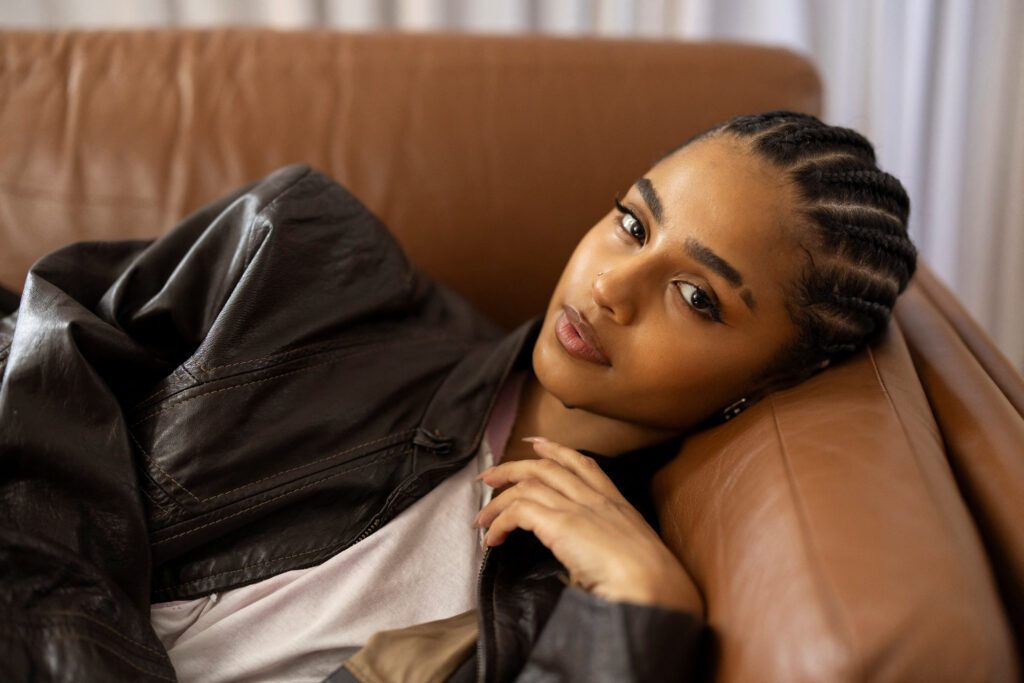
The South African singer walked away with two major awards, turning her growing international momentum into one of the defining stories of the night. According to the AMA results, she won Social Song of the Year for her viral hit “CHANEL” and also picked up Best Afrobeats Artist, marking a rare double win for an African performer on one of music’s biggest global stages.
It was not just about trophies. It was about timing. Tyla’s rise has been closely tied to how music now travels, through short clips, algorithm boosts, and audience-led discovery rather than traditional gatekeeping. “CHANEL” became one of those songs that lived far beyond its release window, spreading across platforms and reshaping how listeners encountered her sound.
“This is bigger than awards. It is about where African music is finally sitting in global culture,” one industry observer noted after the ceremony.
The American Music Awards this year reflected that shift more clearly than ever. African and global sounds were not sitting on the sidelines. They were inside the main categories, competing directly with mainstream US pop and hip-hop acts for fan-driven recognition.
BTS also dominated headlines with multiple wins, including Artist of the Year, reinforcing how international acts are no longer exceptions at American award shows but central players in them.
Other major winners included Karol G, who took the International Artist Award of Excellence, and Sabrina Carpenter, who secured key category wins, while Sombr and KATSEYE emerged as breakout names shaping the next wave of pop attention.
Tyla’s moment, however, carried a different cultural layer. For African music, especially Afrobeats-adjacent pop fusion, visibility in US award systems has often been inconsistent, sometimes present in nominations but less frequently reflected in wins. Her double victory now places her in a category of artists who are not only nominated internationally but also converting that visibility into awards.
Behind the celebration sits a larger industry pattern.
Streaming platforms have reshaped how regional sounds move across borders. Songs no longer need traditional radio crossover to become global hits. A track can move from Johannesburg to London to Los Angeles within days if audience engagement is strong enough.
Tyla’s “CHANEL” sits directly inside that pipeline.
Still, the competition around her categories shows how crowded that global space has become. Afrobeats itself is no longer a niche category. It is a contested, fast-expanding genre with multiple regional variations and competing identities.
Her win therefore lands as both achievement and signal.
“We are watching African pop stop asking for entry and start taking space,” a music analyst said.
Even with the celebration, the broader AMA night also highlighted how fragmented global music has become. Different regions are now producing simultaneous breakout stars, all competing within the same award ecosystem that once heavily favoured US-based artists.
Tyla’s recognition fits into that shift, but it also raises questions about sustainability. Viral success moves quickly. Industry attention moves even faster.
What follows for her, and others in similar positions, will depend on how long that global attention holds and how consistently it translates across future releases rather than one breakout moment.
For now, though, the message from Las Vegas was clear.
African pop is no longer waiting in the background of global award shows. It is winning inside them.
And whether this becomes a turning point or just another milestone in a fast-moving industry is something the next award season will quietly begin to answer.