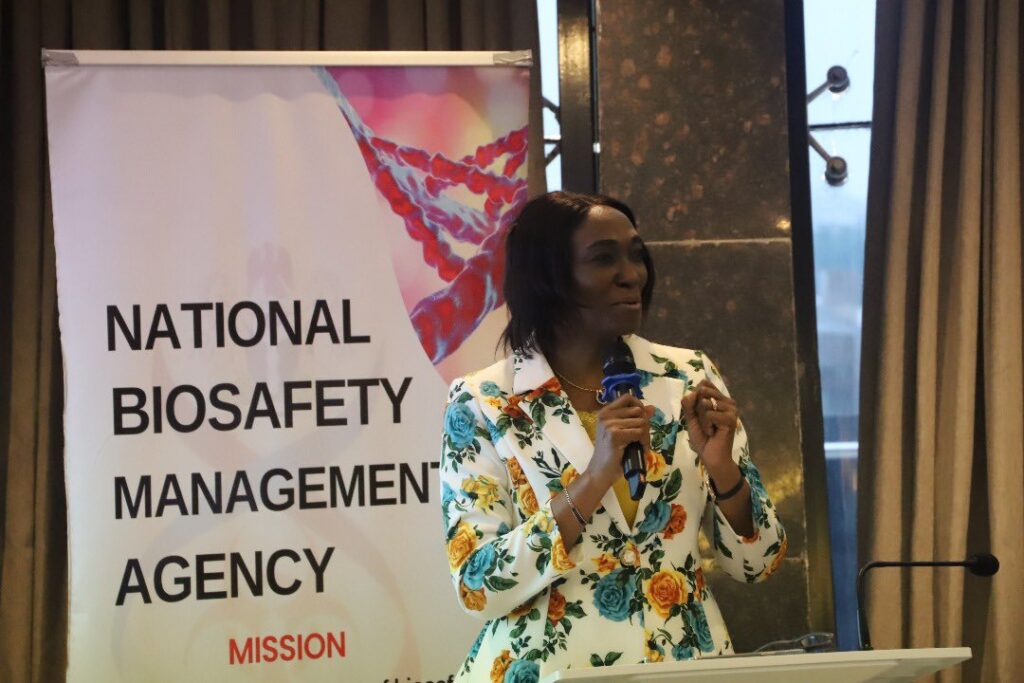
NBMA Strengthens Nigeria’s Biosafety Framework with GMO Safety Assurance and Interagency Collaboration
Abuja & Nationwide, Nigeria — The National Biosafety Management Agency (NBMA) has taken significant public‑interest steps in recent weeks to reinforce regulatory transparency and strengthen interagency cooperation on biosafety — providing critical reassurances to Nigerians while supporting scientific innovation and food security.
NBMA Assures Nigerians on Safety of TELA Maize and Biosafety Oversight
The NBMA has publicly addressed misinformation about the safety of TELA Maize, a genetically modified maize variety recently approved in Nigeria. In an official statement, the agency’s regulatory leadership emphasised that TELA Maize underwent a comprehensive scientific risk assessment by multidisciplinary expert committees — including representatives from **NAFDAC, SON, NAQS, academic institutions and research organisations — confirming that it meets established safety standards for human health and environmental protection.
NBMA stressed that it operates independently and without bias, applying evidence‑based evaluation in compliance with the National Biosafety Management Agency Act (2015) and international best practices. This assurance is intended to build public confidence in modern biotechnology products that have the potential to improve agricultural productivity, reduce pesticide use and enhance drought resilience — key elements in supporting food security and sustainable farming in Nigeria.
NBMA and NAFDAC Hold Strategic Meeting to Strengthen GMO Safety Communication
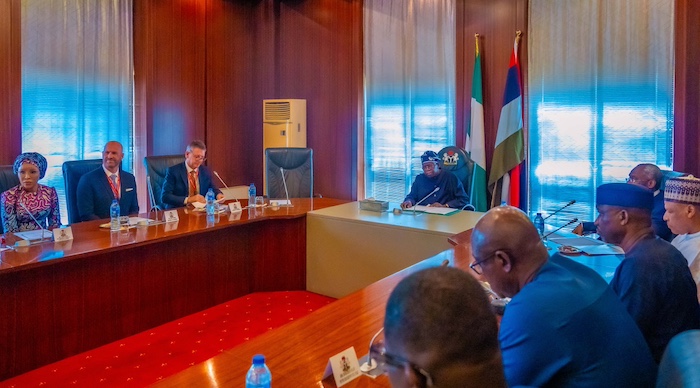
In another development, NBMA joined the National Agency for Food and Drug Administration and Control (NAFDAC) in a strategic consultation convened by the Minister of State for Health to address public concerns about genetically modified (GM) foods and safety communication. The meeting reaffirmed the importance of consistent, science‑based public engagement and enhanced inter‑agency collaboration to clarify the regulatory processes and safety standards governing GM products in Nigeria.
The exercise underscored that biosafety and food safety are complementary regulatory domains, and officials committed to working together to provide clear public information, reduce misinformation, and promote evidence‑based debates on biotechnology applications.
Public Warning on Fake Employment Sites Protects Nigerians
NBMA also issued a warning against fraudulent recruitment platforms claiming to represent the agency. It clarified that all legitimate employment opportunities are published only through official government channels under the federal civil service framework, discouraging job seekers from engaging with unofficial websites or social media adverts that could lead to personal information theft or financial loss.
This public alert highlights NBMA’s commitment to transparency and protecting citizens from scams, ensuring Nigerians can trust official communications from their regulatory institutions.
Why These Developments Matter for Nigeria
Food Security & Agricultural Innovation:
By assuring the safety of TELA Maize and other biotech applications, NBMA supports agricultural productivity gains that can help reduce reliance on imports and expand sustainable farming — aligning with national food security goals.
Stronger Regulatory Collaboration:
Enhanced coordination between NBMA and NAFDAC reinforces the integrity of Nigeria’s biosafety and food safety frameworks, making health protection clearer for citizens and stakeholders across the food value chain.
Protection Against Fraud:
NBMA’s warning on fake recruitment scams demonstrates proactive governance, protecting job seekers from fraud and underscoring the agency’s dedication to ethical operations.
Collectively, these developments show how the NBMA is affirming regulatory clarity, strengthening inter‑institutional partnerships, and promoting safe biotechnology adoption — all crucial to elevating Nigeria’s scientific, agricultural and public health landscapes.