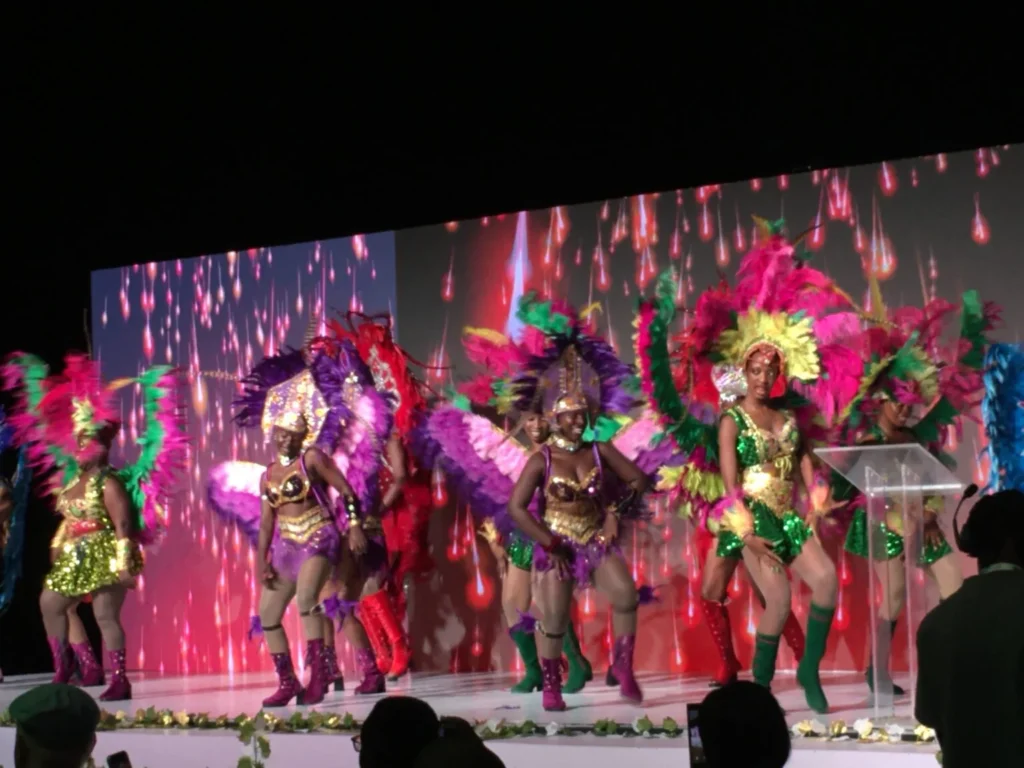
Calabar usually shifts into a different mood when carnival season approaches. The streets, known for their calm rhythm through most of the year, slowly begin to carry the weight of preparation, costumes, music, and tourism talk that stretches far beyond Cross River State.
This year, the conversation is already starting early.
Cross River State Governor, Bassey Otu, has unveiled the theme for the 2026 edition of Carnival Calabar, alongside a set of new ideas aimed at increasing participation and expanding the festival’s reach both locally and internationally.
The theme for the 21st edition is “Rethinking Our Collective Destiny,” a message officials say is meant to reflect shared responsibility, cultural identity, and the role of creativity in economic growth.
The unveiling took place in Lagos and marked the formal start of preparations for one of Africa’s biggest street festivals.
“We are not just unveiling a theme; we are unveiling a vision,” Otu said, describing the carnival as more than entertainment. Over the years, Carnival Calabar has grown from a local cultural display into a major tourism event that attracts performers, visitors, diplomats, and business stakeholders from different parts of the world.
The state government says the 2026 edition will not only focus on performances but also on new systems designed to increase public involvement. One of the key innovations introduced is audience voting, which will allow members of the public to take part in selecting aspects of the carnival experience instead of being passive spectators.
Officials say the idea is to make the festival more interactive and create stronger emotional ownership among participants and viewers.
The carnival has also been positioned as an economic platform, with government and private stakeholders pointing to job creation in areas like costume design, entertainment, hospitality, transport, and event production.
“We must continue to innovate, expand participation and ensure that the benefits of the carnival are felt by our communities,” the governor said. For many small businesses in Calabar, the festival season often brings a short but significant boost in income, especially for vendors, hotels, and service providers who depend on visitor flow during December.
Tourism experts at the unveiling also described the carnival as a growing international product, with increasing attention from cultural organisations and global travel stakeholders.
The introduction of digital engagement tools and audience participation systems is seen as part of a wider effort to modernise the event and keep it competitive with global festivals.
There is also a strong focus on storytelling around culture, with discussions about turning aspects of the carnival into films, digital content, and online experiences that can reach audiences beyond Nigeria.
Still, the success of these innovations will depend on execution, especially in areas like funding, coordination, and security management during the peak carnival period.
In previous editions, Carnival Calabar has faced challenges ranging from logistics pressure to crowd control, even as it continues to grow in size and visibility.
Stakeholders say sustaining the momentum will require more than announcements, pointing to the need for consistent investment and planning across participating bands and agencies.
For now, anticipation is building once again in Cross River State.
As preparations begin, attention is shifting toward how this new “collective destiny” theme will translate into real changes on the streets of Calabar when the carnival eventually returns in full colour later in the year.