For years, movement around Osogbo and nearby communities has been shaped by slow traffic, damaged road sections, and transport delays that quietly affect trade, business activity, and daily life across the state capital.
Road projects rarely generate excitement at first glance. Their impact is usually felt later, through easier movement of goods, rising commercial activity, and the gradual expansion of businesses around newly connected routes.
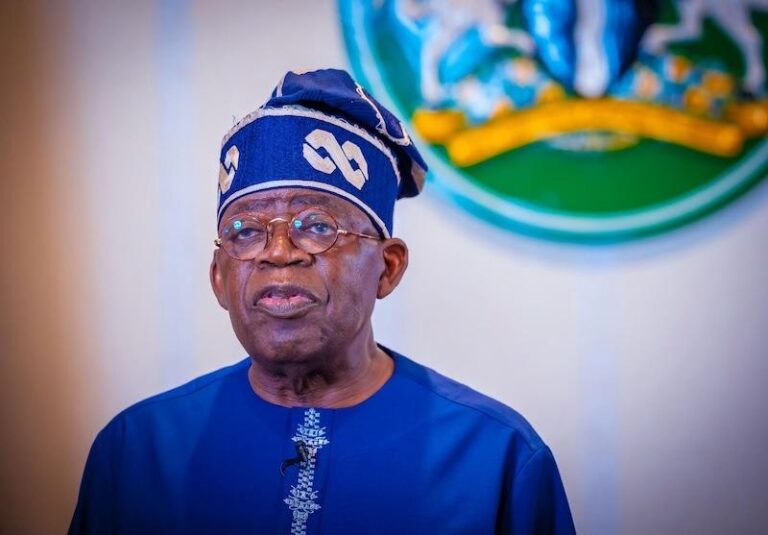
That expectation is now building around ongoing federal road projects linked to President Bola Tinubu’s administration in Osun State.
Community leaders and political figures in the state say the projects could significantly improve economic activities in Osogbo once completed, especially for traders, transport operators, and small business owners who depend heavily on road access.
The projects are part of wider infrastructure works being carried out across different parts of the country as the federal government pushes road rehabilitation and expansion programmes.
According to supporters of the projects, improved road networks around Osogbo are expected to reduce transportation costs, improve access to markets, and attract more private investment into the area.
“Good roads change business activity faster than many people realise,” a local official said while speaking on the expected impact of the projects.
Osogbo, like many growing state capitals, has experienced increasing pressure on its road infrastructure over the years as population growth and commercial movement expanded beyond what older road systems were designed to handle.
Transporters and residents have repeatedly complained about traffic congestion and deteriorating road conditions affecting movement within the city and surrounding communities.
Supporters of the federal projects believe the upgrades could reposition parts of the city economically by improving connectivity between commercial zones and residential areas.
There is also a political layer to the conversation.
Infrastructure projects often become major talking points around public perception of government performance, especially in regions where residents expect visible development after election cycles.
Backers of the administration argue that the projects reflect ongoing efforts to improve economic activity through infrastructure spending rather than short-term interventions alone.
“Once movement becomes easier, businesses naturally begin to grow around those corridors,” another supporter of the projects noted.
Road construction in Nigeria also carries broader economic importance beyond transportation itself. Large projects create temporary jobs, stimulate local supply chains, and sometimes increase land and property value around developing areas.
Still, residents are often more interested in completion timelines than announcements.
Across many parts of the country, delayed infrastructure projects have created skepticism among citizens who have seen road works stretch for years without full delivery.
For businesses in Osogbo, the real value of the projects will likely depend on how quickly the roads are completed and how durable the construction turns out to be after heavy usage begins.
The federal government has continued to emphasise infrastructure development as a key part of its economic agenda, particularly in transport and logistics where poor road conditions have historically slowed trade and mobility.
In Osogbo, expectations are gradually rising that the projects could ease movement and improve commercial activity if execution stays on track.
For now, construction work continues while residents watch closely from the roadside, balancing optimism with the familiar caution that often follows major public projects in Nigeria.