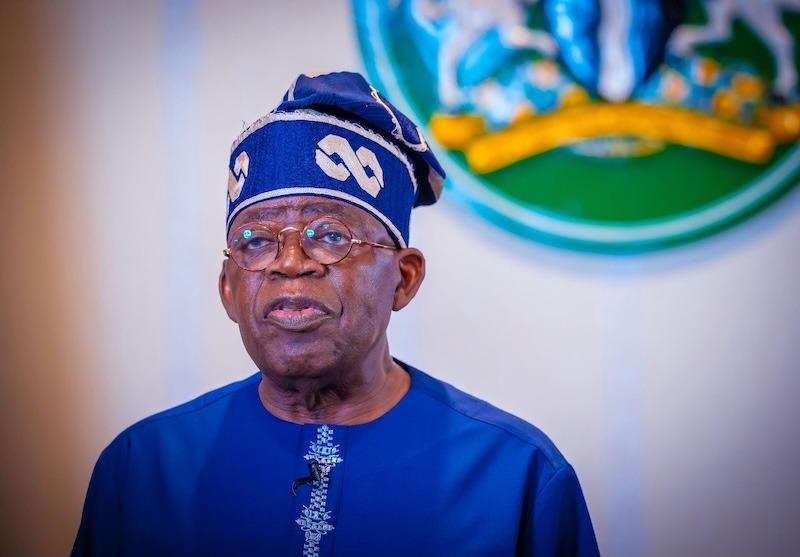
Nigeria’s political atmosphere during festive seasons often carries more than celebration. It becomes a moment where national direction is restated, public concerns are acknowledged, and government messaging is carefully framed for a country still navigating economic strain and persistent insecurity. This year’s Sallah message from President Bola Tinubu followed that familiar pattern, but with a sharper balance between optimism and caution.
The President used the occasion to highlight progress in ongoing economic reforms while also admitting that insecurity remains a serious challenge across parts of the country. In a message released to mark Eid-el-Kabir, Tinubu urged Nigerians not to lose hope, insisting that the government’s economic policies are beginning to show results even if the impact is not yet fully felt at household level.
He said the reforms were designed to rebuild the foundations of the economy and place Nigeria on a more stable long-term path, while asking citizens to remain patient through the transition period.
“The toughest days are behind us,” Tinubu said, adding that the administration remains committed to ensuring that the gains from reforms translate into improved living conditions.
The President also acknowledged the ongoing security challenges facing different regions of the country, noting that efforts are being intensified to address threats ranging from insurgency to banditry and other forms of violent crime.
His remarks come at a time when insecurity continues to dominate national discourse, particularly in the north-east and north-west, where attacks and displacement remain recurring concerns despite military operations and policy interventions.
Tinubu, however, used the message to call for unity, urging Nigerians of different religious backgrounds to embrace peace, tolerance, and compassion during the festive period.
He also referenced the broader symbolism of Eid-el-Kabir, describing it as a reminder of sacrifice and obedience, values he said are necessary for national rebuilding.
Across his economic messaging, the President reiterated that key reforms undertaken since the beginning of his administration are aimed at stabilising public finances, improving investor confidence, and correcting structural weaknesses in the economy.
Those reforms have included subsidy removal and exchange rate adjustments, policies that have significantly reshaped pricing systems, transport costs, and inflation patterns across the country.
While government officials argue that these steps were necessary to prevent deeper fiscal instability, the measures have also contributed to rising cost-of-living pressures that continue to affect households nationwide.
Public reactions to similar presidential statements in recent months have remained divided. Some Nigerians express cautious optimism about long-term recovery, while others point to immediate hardship that has yet to ease in practical terms.
“We are on a difficult but necessary path of recovery,” Tinubu said, framing the reforms as a foundation for future stability rather than immediate relief.
The President also extended prayers for the armed forces and security personnel, urging continued support for those deployed in conflict-prone regions.
In many ways, the message reflects a consistent tone in recent national addresses: an appeal for patience, an acknowledgment of hardship, and a belief that current policies will eventually produce measurable improvement.
Still, the gap between economic indicators and lived reality remains a central tension in public conversation, especially as inflation, unemployment pressures, and insecurity continue to shape daily life.
As the country observes Eid celebrations, the government’s message rests on a familiar expectation that reform cycles take time to mature.
Whether that expectation aligns with public patience remains one of the underlying questions hanging over Nigeria’s current political and economic moment.