In Lagos, salary conversations rarely stay quiet for long. They sit at the centre of everyday public service life, shaping morale inside classrooms, hospitals, and government offices where thousands of workers depend on steady payments to keep pace with rising living costs. That pressure is now easing, at least for a large group of state workers.
The Lagos State Government has approved and paid ₦3.67 billion in salary arrears to 6,293 academic and non-academic staff of state-owned tertiary institutions, in what officials describe as part of broader efforts to stabilise welfare across the public sector. The payment covers nine months of arrears linked to previously approved salary increases of 25 and 35 per cent for workers in those institutions.
Inside government circles, the move is being framed as both a financial intervention and a labour relations step, aimed at preventing tensions that often build up when salary adjustments are delayed or partially implemented.
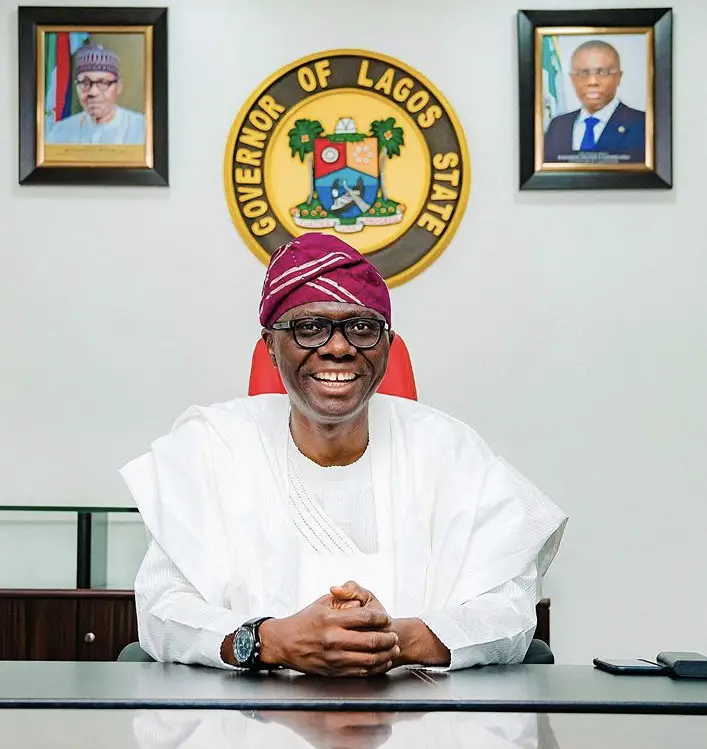
“This intervention is part of our commitment to prioritising workers’ welfare and sustaining industrial harmony across the state,” a senior official said during the briefing.
The announcement was made during a ministerial press briefing in Alausa, Ikeja, marking another update in what Lagos officials describe as ongoing reforms in public service management and workforce support.
There is also a wider welfare package attached to the announcement. The state confirmed additional pension adjustments for retirees under the defined benefit scheme, alongside other support measures designed to reduce pressure from inflation and transport costs.
A ₦32,000 monthly pension increment has already been introduced for retirees under the system, while other payments targeting medical residency training and salary differentials for healthcare workers were also referenced as part of the broader package.
The message from officials is consistent. Lagos is trying to balance wage obligations with expanding infrastructure needs, training programmes, and institutional reforms across ministries, departments, and agencies.
Short sentences in official briefings often hide a longer reality. Public service financing in Nigeria’s commercial capital carries constant pressure from population growth, rising wage expectations, and recurring demands from unions across education and health sectors.
Within universities and polytechnics owned by the state, salary arrears have historically triggered friction between staff unions and government administrators, sometimes slowing academic calendars or prompting negotiations that stretch for months.
This latest payment is being positioned as part of an effort to avoid those cycles. “The focus is on stability. Once workers are settled, productivity follows more naturally,” one labour observer noted.
Still, questions around timing and sustainability remain part of the broader conversation. Wage adjustments across Nigeria’s subnational governments often depend on fluctuating revenue inflows, federal allocations, and internal tax performance, which can vary month to month.
Lagos, with its relatively stronger internally generated revenue base, has more flexibility than many other states, but even that advantage does not fully remove fiscal pressure. The government has also been investing heavily in training programmes, digital skills development for public servants, and recruitment exercises aimed at filling gaps across key agencies.
In practical terms, those investments sit alongside wage obligations, meaning decisions around salary arrears often compete with long term infrastructure and institutional spending priorities.
For workers who have waited months for adjustments, the payment brings immediate relief. For the system, it resets expectations.
What happens next will depend on how consistently similar obligations are met in the coming cycles, especially as inflation and living costs continue to shape labour demands across the state.
For now, attention shifts back to the offices, classrooms, and hospitals where the impact of the payment will be felt first, even as the larger question of public sector funding balance remains open.