
Online scams in Nigeria have continued to evolve in ways that increasingly blur the line between ordinary social media activity and organised fraud. What once looked like obvious spam messages has now shifted into carefully built impersonation schemes that use real names, real ranks, and stolen photographs to appear credible.
The Nigerian Army is now raising fresh alarm over one of such methods.
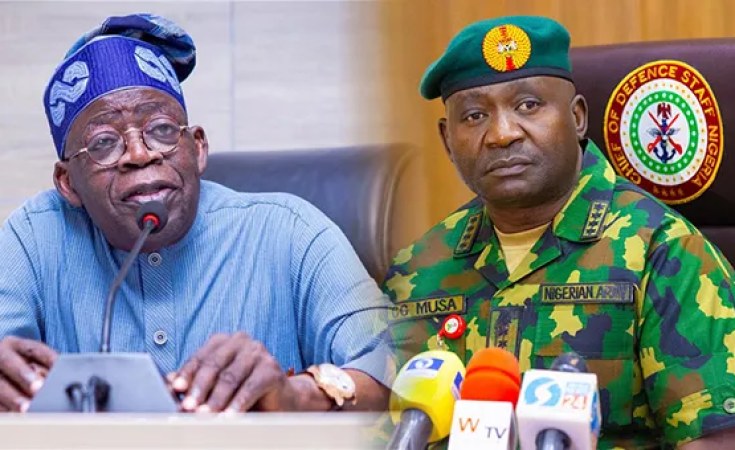
The Army warned the public about fraudsters operating fake social media accounts that impersonate senior military officers, using their names and photographs to deceive unsuspecting Nigerians into financial scams and other fraudulent engagements. Punch reported that the warning followed the discovery of multiple cloned accounts targeting members of the public online.
According to the Army, the impersonators created fake profiles in the names of top officers, including senior generals, and used those accounts to build trust before initiating scam conversations.
The fraudulent pages reportedly reached out to individuals under different pretences, including fake recruitment opportunities, financial assistance requests, and promises of military contracts.
“Senior military officers do not conduct official transactions or request money through social media platforms,” the Army stated in its disclaimer.
The warning adds to a growing list of cybersecurity concerns involving impersonation scams across Nigeria’s digital space, where fraudsters often rely on authority figures to gain credibility.
Military officials said the accounts were designed to mislead the public into believing they were interacting with genuine officers, sometimes using stolen profile images to strengthen the illusion.
Once trust is established, victims are allegedly directed into private conversations where financial requests or sensitive information are introduced.
The Army stressed that all official communication channels remain formal and structured, and that no serving officer is authorised to solicit funds, award contracts, or carry out recruitment discussions through personal social media accounts.
Security analysts say this form of impersonation has become more sophisticated in recent years, especially with the ease of copying images and setting up verified-looking profiles across platforms like Facebook and Instagram.
In many cases, victims are not targeted randomly. Fraudsters often study public profiles, military announcements, and official statements before crafting messages that appear believable enough to avoid suspicion.
The Army also urged Nigerians to remain vigilant and to verify any suspicious online communication through official channels before responding.
“The public is advised to disregard any message requesting financial transactions or personal engagement from such accounts,” the statement added.
Cybercrime in Nigeria has increasingly shifted from mass unsolicited messages to targeted social engineering tactics, where scammers rely on psychological trust rather than technical tricks alone.
Impersonation of authority figures, especially military and government officials, remains one of the most common strategies because it reduces immediate doubt from victims.
Experts note that this trend is not limited to Nigeria, but the scale of digital impersonation has grown locally due to high social media usage and limited verification habits among users.
The Army also confirmed that it is monitoring and taking steps to report and remove fraudulent accounts as they are identified, though it acknowledged that new ones continue to emerge.
For many Nigerians, the warning is another reminder that identity theft in the digital space has moved beyond celebrity impersonation into highly sensitive institutional branding.
The challenge now, security observers say, is not just identifying fake accounts, but reducing how quickly they can convince users before being detected.
As investigations continue, the Army says it will maintain public alerts and strengthen collaboration with relevant agencies to curb the spread of impersonation scams.
Still, in a digital space where fake authority can look as convincing as the real thing, the line between official communication and fraud continues to get thinner by the day.